
Fifty-five years ago, in 1971, the UK passed the Misuse of Drugs Act and declared war on cannabis. Half a century on, it is worth asking a simple question with an uncomfortable answer: what has that war actually cost us?
Not in rhetoric — in pounds, police hours, criminal records and human lives. We pulled together every official figure we could find, and the total is staggering.
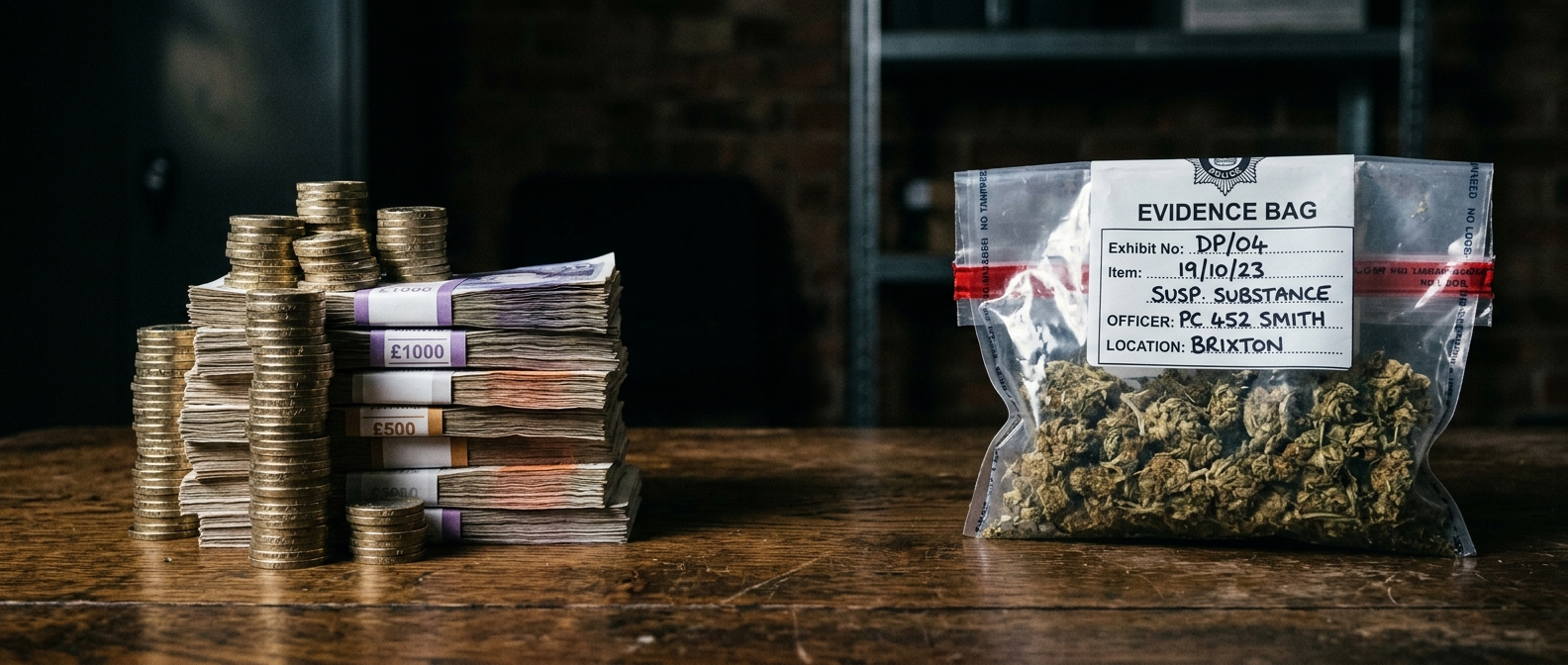
The headline: enforcing cannabis prohibition costs England over £1.4 billion every year, has generated more than three million criminal records, and in 2025 alone the state seized a record 137 tonnes of cannabis — while cannabis remains the most used illegal drug in Europe.
The money: £1.4 billion a year, every year
According to the drug policy charity Transform, England alone spends £1.4 billion a year enforcing the drug laws — £690 million on drug-related policing and another £733 million across the courts, prisons and probation.
Add the criminal justice costs of the drug-fuelled illegal trade — the burglaries and thefts committed to fund black-market prices — and the Government’s own independent review puts the total at £6.9 billion a year.
And locking people up for cannabis is not cheap either: in 2016, 1,363 people were in prison for cannabis offences, costing taxpayers around £50 million a year. None of this spending has ever been subject to a formal government evaluation of whether it works.

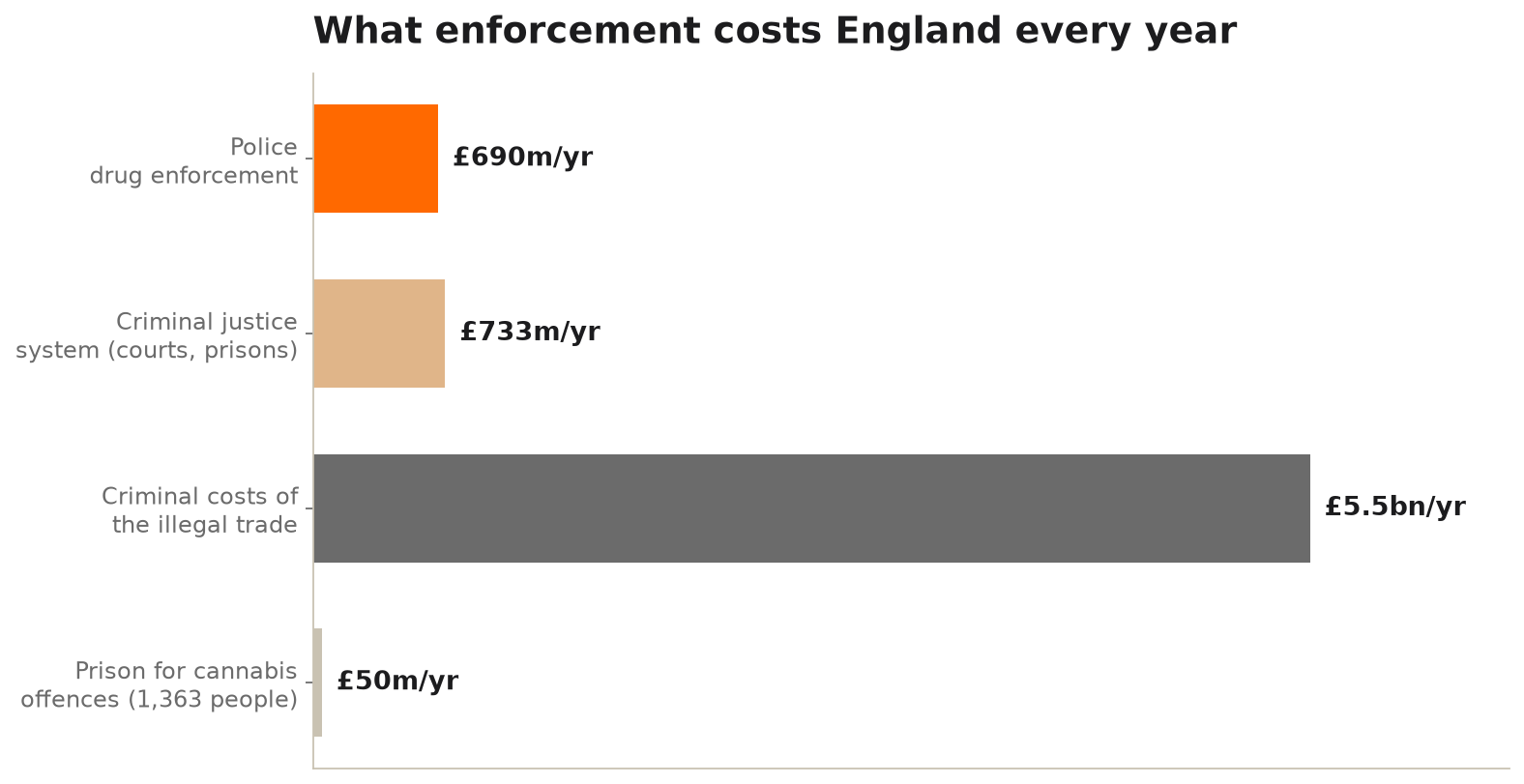
Source: Transform Drug Policy Foundation; Government Independent Review of Drugs
The police hours: a million a year chasing a plant
In 2015 the police opened more than 87,000 cannabis cases at an average taxpayer cost of £2,256 each — roughly one million hours of police time a year. Even after academic scrutiny halved that estimate, hundreds of thousands of hours go every year into pursuing possession of a substance used by 2.3 million people. Meanwhile burglary response times keep slipping.
Possession of cannabis is, year after year, the single most commonly recorded drug offence in England and Wales — more than two-thirds of all drug offences. Since 2010, over 80% of drug offences recorded by police have been simple possession.
The seizures: a record harvest, destroyed
Here is the figure that says everything about where this war is heading. In the year ending March 2025, police and Border Force seized 137 tonnes of herbal cannabis — the largest quantity since records began in 1973, up 61% in a single year. Total drug seizures hit a record 269,321. Nearly half a million cannabis plants were destroyed.
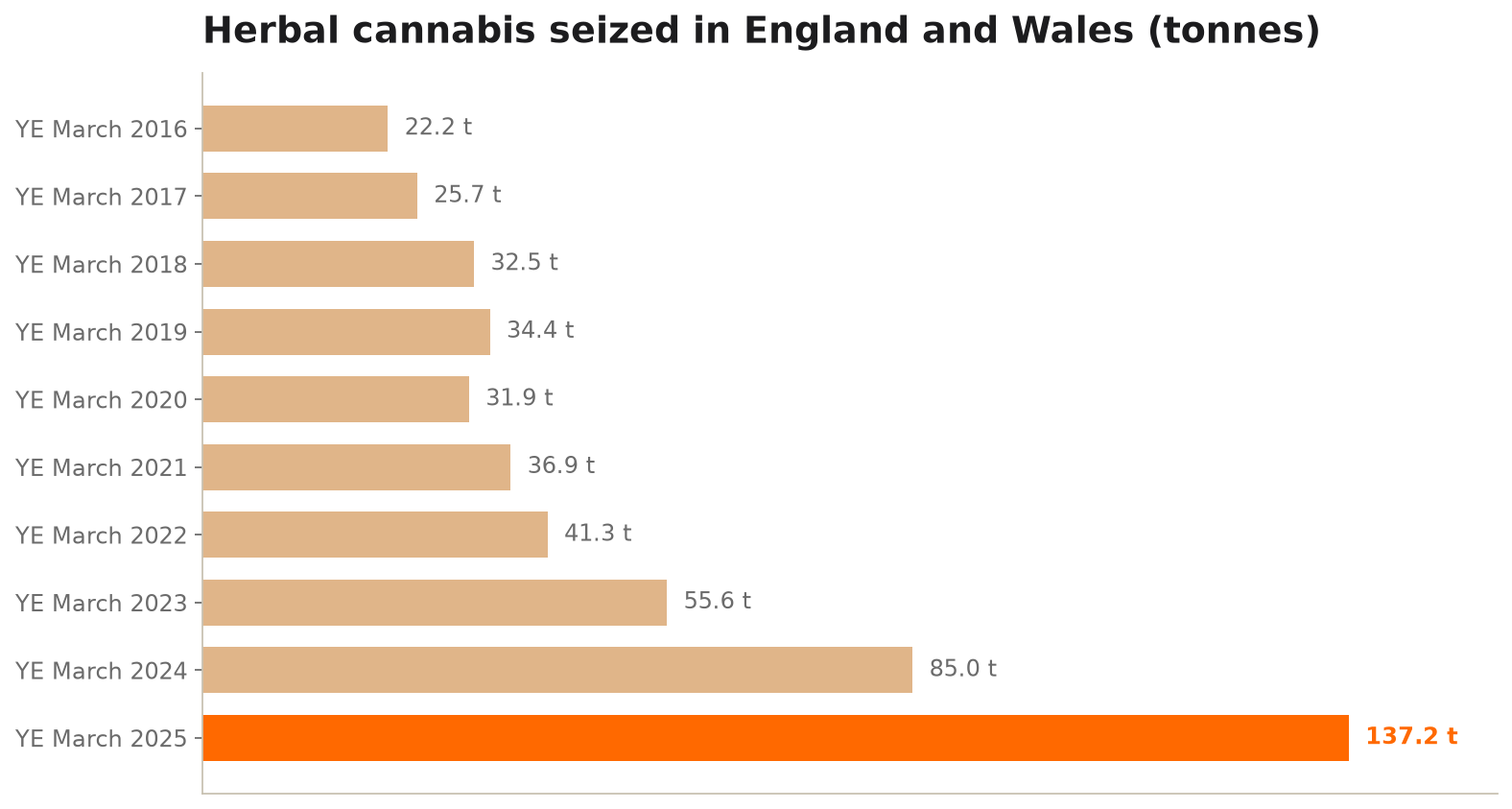
Source: Home Office, Seizures of Drugs in England and Wales, FYE 2025
If seizure volume measured success, the war on cannabis would be the most successful policy in British history. Fifty years of escalation and the harvests keep getting bigger. A record haul is not evidence the policy is working — it is evidence the supply never stops.

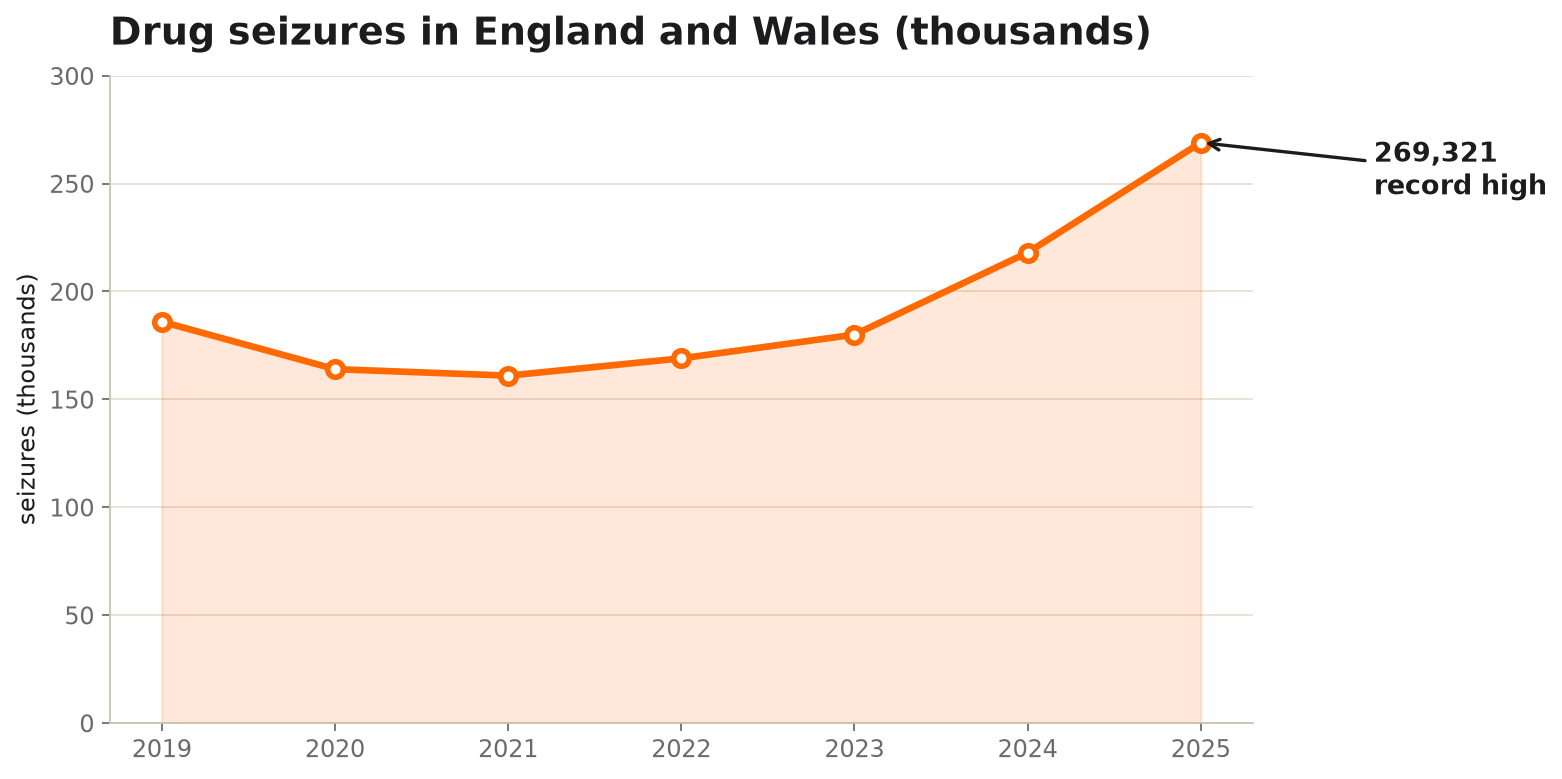
Source: Home Office; record high since the series began in 1973
The criminal records: three million and counting
Over the lifetime of the Misuse of Drugs Act, more than three million criminal records have been issued for drug offences — 1.9 million court sentences and 1.3 million police cautions.
People in the UK have been sentenced to over 680,000 years in prison under the Act since 1986. Cannabis possession has consistently been the offence driving most of it.
Each of those records follows a person for life — through job applications, visa applications, background checks. For an offence committed by roughly a third of the adult population at some point, that is an extraordinary amount of institutionalised damage for no measurable public safety return.
A criminal record in the UK can be disclosed for decades. Cannabis possession accounts for more drug offences than every other drug offence combined. Three million records exist under the Act — most of them for possession.
Who gets policed: not everybody equally
This is the part prohibition defenders would rather not discuss. Black people are 8.3 times more likely to be stopped and searched for drugs than white people — despite using drugs at similar or lower rates.
They make up 3% of the population but 16% of drug stops and searches. Black people are eight times more likely to be prosecuted for drug offences after arrest, and a quarter of everyone convicted of cannabis possession is Black.
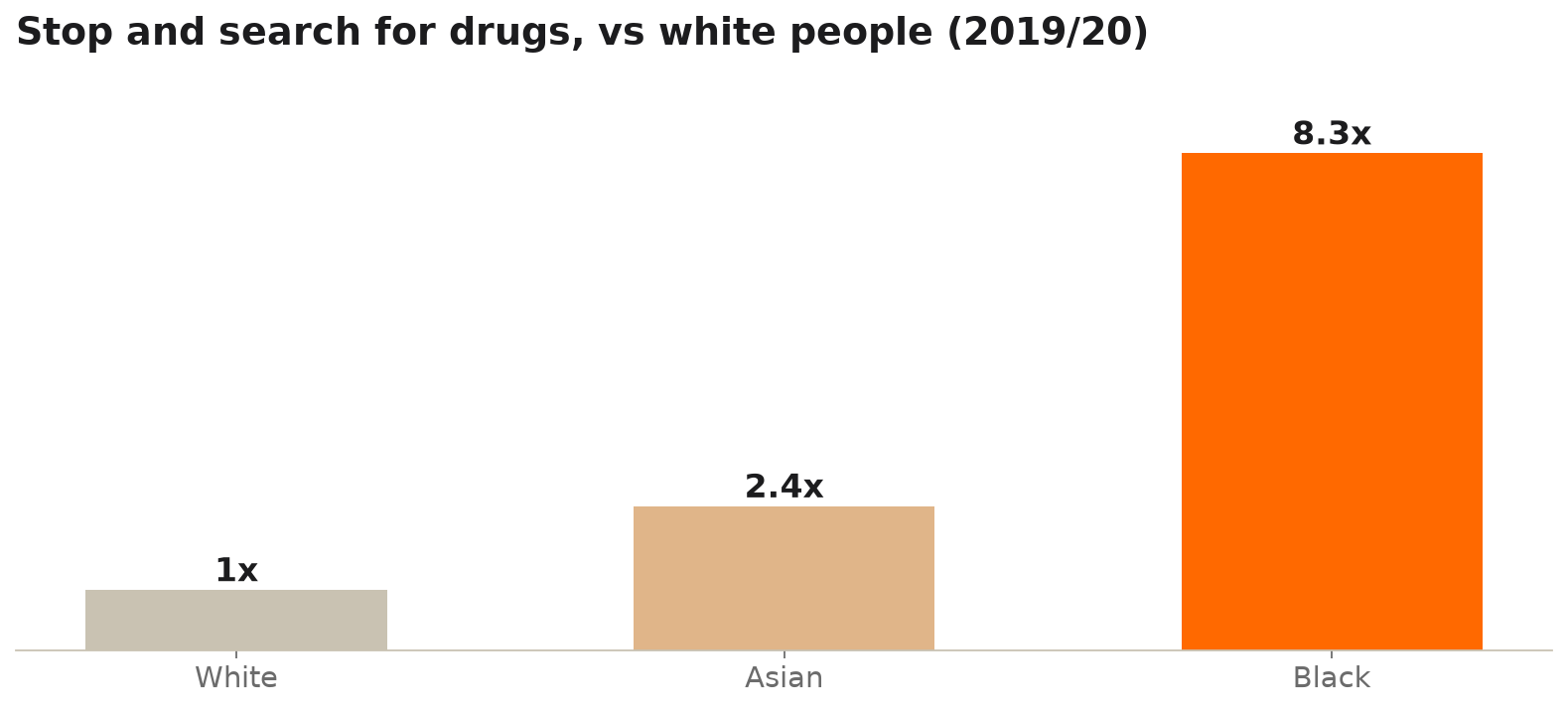
Sources: Transform; Home Office; LSE
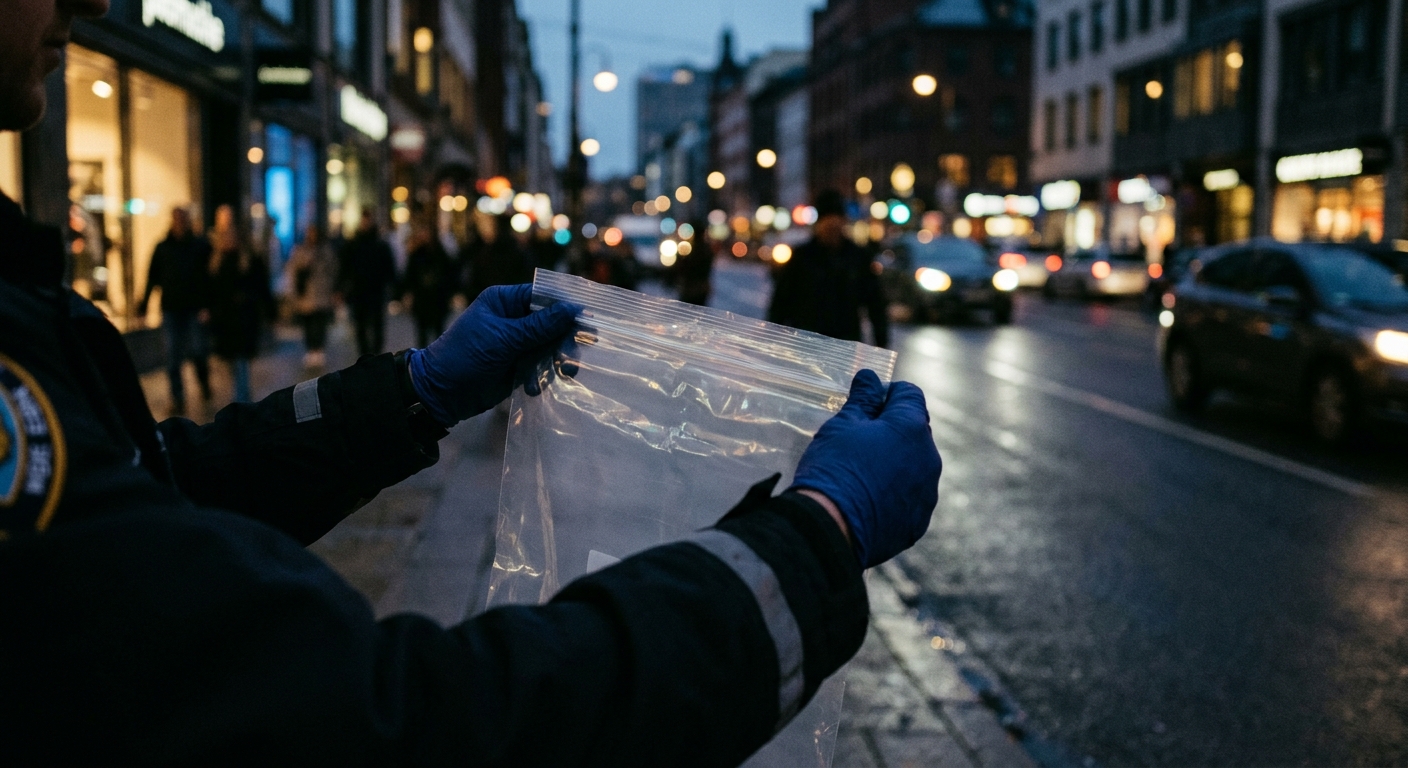
More than 9.5 million drug stops and searches have been carried out since 2000. Only about one in ten leads to an arrest.
The rest are, statistically speaking, innocent people — disproportionately young, disproportionately Black — stopped, searched and released by the state for no reason other than suspicion of a smell.
And has any of it worked?
The stated aim of the Misuse of Drugs Act was to reduce drug use through enforcement. Fifty-five years later: cannabis remains the most used illegal drug in Europe. Around 6.8% of adults — 2.3 million people in England and Wales — used it in the last year, a level that has barely moved in a decade.
Worse: drug-related deaths across the UK have more than quadrupled since 1994, reaching record highs. The UK’s drug death rate is now 4.5 times the EU average. Prohibition has not merely failed to reduce harm — the harms have compounded on its watch.
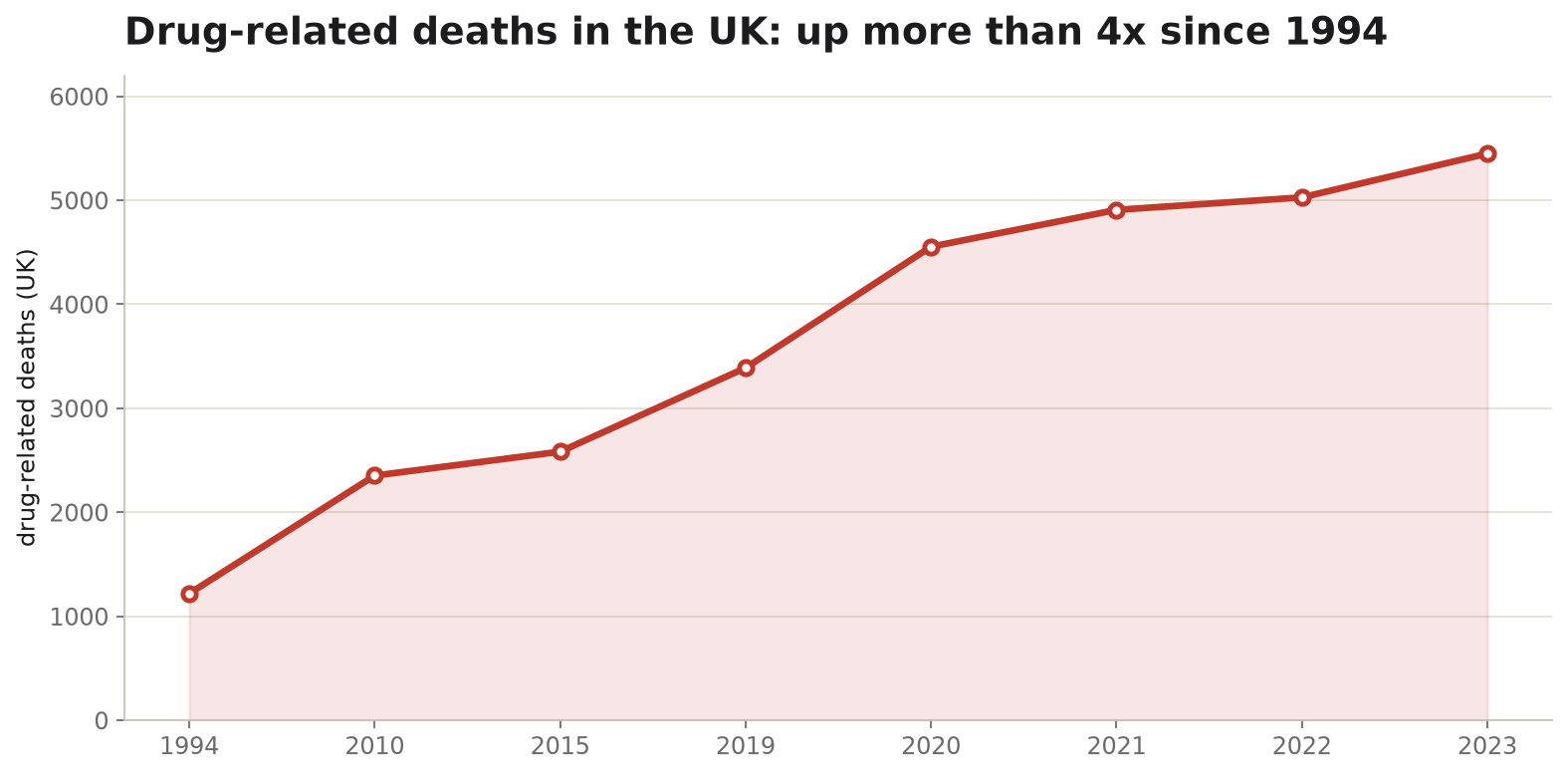
Sources: Transform; ONS; ODRB
The bill, added up

- £1.4 billion a year enforcing the drug laws in England alone (£690m policing + £733m courts, prisons, probation)
- £5.5 billion a year in criminal justice costs of drug-fuelled crime (Government independent review)
- £50 million a year imprisoning people for cannabis offences
- ~1 million police hours a year on cannabis enforcement (2015 figures; even halved, enormous)
- 3+ million criminal records under the Misuse of Drugs Act; 680,000 years of prison sentences since 1986
- 9.5 million+ drug stops and searches since 2000, ~10% leading to arrest
- 137 tonnes of cannabis seized in 2025 — a 52-year record, after 52 years of record-breaking enforcement
- 2.3 million users, 6.8% of adults — usage unmoved for a decade
- Drug deaths up 4.5x since 1994 — the highest on record
- £1.5 billion a year in tax and savings forgone — the Treasury’s own potential gain from regulation (Transform, High Returns, 2025)
The bottom line: Britain spends over £1.4 billion a year enforcing cannabis prohibition, records hundreds of thousands of offences a year, and locks up its citizens for a substance used by 2.3 million of them — while drug deaths hit records, usage stays flat, and legalising it would hand the Treasury up to £1.5 billion a year instead.
Sources
- Home Office, Seizures of Drugs in England and Wales, FYE 2025
- Transform Drug Policy Foundation, Misuse of Drugs Act 1971: Counting the Costs and High Returns: The Economic Benefits of UK Cannabis Legalisation
- ONS, Drug Misuse in England and Wales
- LSE, Drug Policing Drives Racial Disparity
- The Independent, One million hours of police time a year wasted enforcing cannabis prohibition; The Conversation’s fact-check of that estimate
- BBC News, Cannabis legalisation could raise £1bn a year (Lib Dem/Ipsos analysis, 2016)
All figures are the latest published at the time of writing.
Related reading: When Will the UK Legalise Cannabis? · 20 Undeniable Reasons the UK Can’t Ignore Cannabis Legalisation · UK Cannabis Prohibition: A Crime Against Its People
